

Why Ceramic Metallization?
1. In electric vacuum devices, ceramics and metal components must be brazed to achieve special functions such as vacuum sealing, electrical insulation, microwave transmission, and microwave absorption. Given the considerable difference in thermal expansion coefficients between ceramics and metal alloys, a layer of metal needs to be deposited on the surface of the ceramic so that its specific surface has the characteristics of both ceramics and metals, thereby achieving direct brazing together.
2. An inert gas is usually filled in the electric vacuum device to reach a specific vacuum level. If the airtightness of the ceramic and metal welding components is not good enough, the reliability of the entire vacuum device will fail. Therefore, a layer of nickel, silver, and gold is plated on the surface of the metal layer to enhance the welding wettability, which can improve the welding strength and airtightness after brazing.
3. Alumina ceramics have many electrical and physical performance advantages that metal alloys lack, such as good insulation strength, low dielectric loss, high mechanical strength, high-temperature resistance, low thermal expansion coefficient, fast heat dissipation, etc. Alumina Metallized Ceramics are used for sealing, significantly improving vacuum devices' reliability and extending their life.
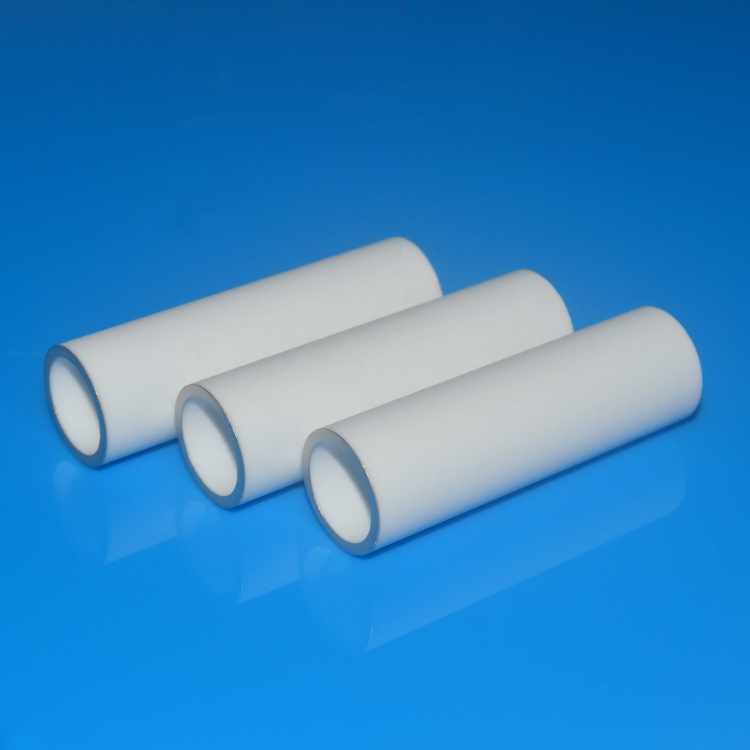
We specialize in molybdenum (Mo-Mn) and Tungsten (W) thick-film metallization on 94%, 96%, and 99% alumina Ceramic Components. The main metallization methods used are screen printing or vacuum-like sputtering, followed by electroplating or electroless plating to cover the metallized surface with nickel, gold, silver, or tin. This way, the ceramic can be welded with oxygen-free copper, Kovar, stainless steel, and other alloys.
How to maintain
Storage environment
Metallized ceramic devices should be stored in a dry, clean environment without corrosive gases. The relative humidity should be preferably controlled between 40% - 60% and the temperature should be kept between 15 - 25℃. Avoid exposing the device to a humid environment, as moisture may cause oxidation of the metallization layer, reducing welding performance and adhesion.
Anti-collision and friction
During handling and storage, metallized ceramic devices should be protected from collision and friction. Ceramics themselves are brittle, and the metallization layer may also be damaged by external forces. Special packaging materials such as foam and sponge can be used to fix the device to reduce vibration and collision during transportation and storage.
Regular inspection
Inspect the metallized ceramic devices regularly to observe whether the metallization layer has discoloration, peeling, cracks, etc. If problems are found, they should be dealt with in a timely manner. For some key electric vacuum devices, it is recommended to conduct a comprehensive inspection every six months to ensure the stability of the device performance.
Cleaning and maintenance
When cleaning metallized ceramic components, use a soft dry cloth to gently wipe them, and avoid using detergents containing chemical solvents to avoid corrosion of the metallized layer and ceramic surface. If there are stains such as oil on the surface of the component that are difficult to remove, you can use specific cleaning methods under the guidance of professionals.